

Portal of Slovenian Performing Arts
Theatre premieres, reviews and opinions, Slovenian theatre encyclopedia

Playbills
View all
Reviews and opinions
View all-
Ampak, kje je Carmen?
Ne Carmen! Režija: Zana Hoxha. Slovensko mladinsko gledališče. Premiera 14. 5. 2026, ogled predstave 16. 5. 2026.
-
Razgradnja spominov
Refleksija solo predstave Predpreteklik avtorja/izvajalca Marta Kangra (Stara mestna elektrarna, Ljubljana, datum ogleda 17. 5. 2026).
-
Spektakel izgubljenosti
Milan Ramšak Marković: Buržoazija. MGL, datum premiere 22. 4. 2026, datum ogleda 7. 5. 2026.
-
Igriva arhitektura
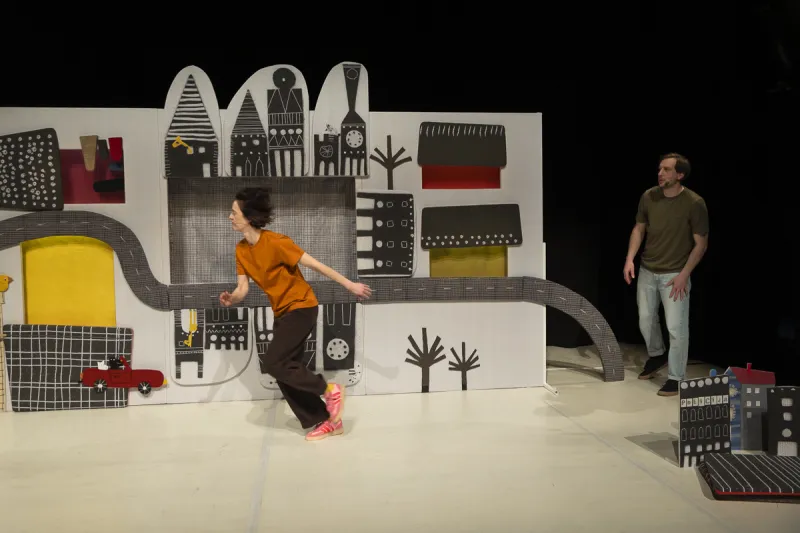
Manica K. Musil: Arhitekta bova! Lutkovno gledališče Maribor, datum premiere in ogleda 18. 4. 2026.
-
Dekličin pogled na svoje telo
Anja Novak - Anjuta: Tekst telesa. Prešernovo gledališče Kranj, datum premiere 27. 3. 2026, datum ogleda 22. 4. 2026.
-
V pogrešanju vsaj drobne »pogreške«
Ob rob improvizirani plesni predstavi Konstelacije (Sara Janašković idr., Zavod NEST, 6. 5. 2026, Španski borci, Ljubljana).


Slovenian drama in translation
View all-
a mermaid, one houndred and seventy-eight years later
A story about a mermaid is often understood as a fairy tale that describes the transformation from a girl to a woman, a story about a woman who sacrifices herself for her man. The text of a mermaid follows this path in reverse – the path of a married woman, one who has sacrificed enough, reversing to being a free girl, a free being.
-
Für Ophelia (The Mythology of Drowning): Based on Raymond Carver’s short story, “So Much Water So Close to Home”.
Based on a short story by Raymond Carver, this play explores the relationship between a man and a woman through a collage of different dramatic approaches: dramatic dialogues, quotes, comments, images, monologues, lists, fragmentary memory records and audio recordings.
-
The Fairies in Slovenia
The play Fairies in Slovenia focuses on the issue of shame through the stories of four young female characters who are confronted with experiences of abuse, illness and loneliness in times of precariousness, gentrification and social insecurity. The intimate stories of these individuals offer insight into the deep-rooted power of the patriarchy, which manifests itself in personal relationships as well as in sexism – and sexual abuse – but above all in precarisation and public health.